

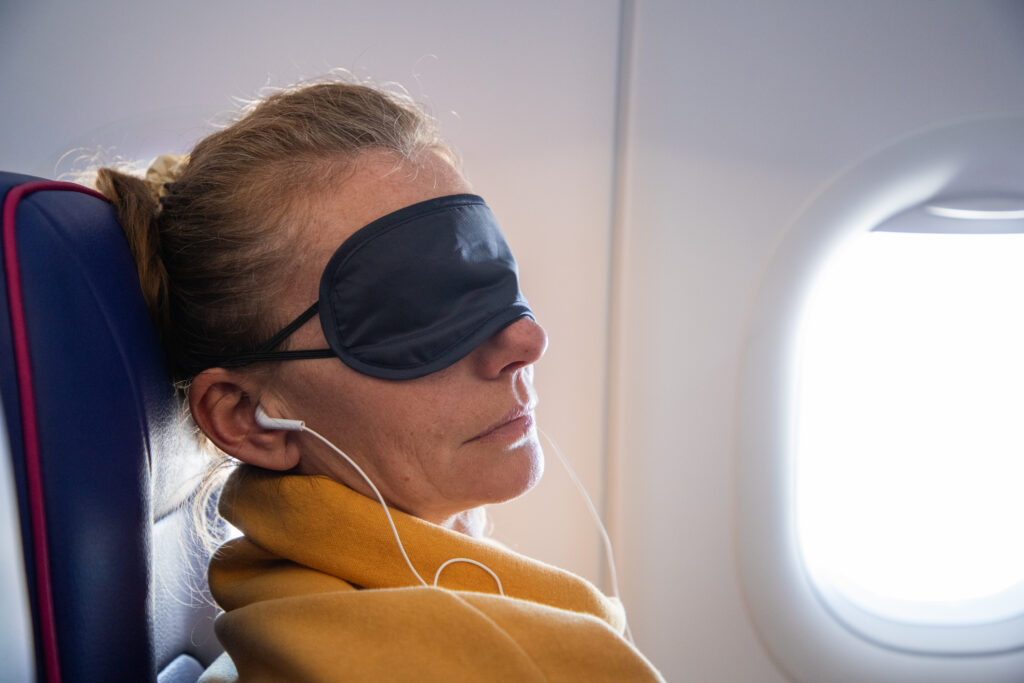
Traveling across time zones can be exciting, but jet lag often tags along for the ride. Fatigue, brain fog, disrupted sleep, and difficulty focusing are common side effects when your internal clock doesn’t match the local time. While jet lag is a natural response to rapid travel, there are practical ways to support your body as it adjusts and caffeine can play a helpful role when used thoughtfully.
Understanding how and when to use caffeine can make the difference between dragging through your first few days and feeling alert, present, and ready to enjoy your trip.
Jet lag happens when your circadian rhythm, or internal clock, is out of sync with your new environment. Your body relies on cues like light, darkness, meals, and activity to know when to feel awake or sleepy. Crossing multiple time zones disrupts those signals, leaving your body unsure of when it should be alert.
Symptoms of jet lag can include daytime sleepiness, trouble concentrating, low energy, irritability, and difficulty falling asleep at night. While your body will naturally adjust over time, that adjustment can take several days depending on how far you’ve traveled.
Caffeine is well known for its ability to promote alertness and reduce feelings of fatigue. It works by blocking adenosine, a chemical in the brain that builds up throughout the day and signals sleepiness. By temporarily reducing that signal, caffeine can help you feel more awake during key moments.
When dealing with jet lag, caffeine isn’t a cure but it can be a useful tool for staying alert during local daytime hours while your body adjusts to a new schedule.
One of the most important things to understand about caffeine and jet lag is timing. Using caffeine strategically can help reinforce your new schedule, while using it at the wrong time can make sleep disruptions worse.
If you’ve traveled east and need to adjust to earlier mornings, caffeine can help you stay alert during the new morning and early afternoon hours. If you’ve traveled west, it may help you push through later evenings without feeling overly fatigued.
What’s most important is avoiding caffeine too close to your new bedtime. Even if you feel tired, late-day caffeine can interfere with sleep and slow the adjustment process.
Many travelers rely on coffee or energy drinks, but caffeine tablets offer a different kind of convenience. Products like Jet-Alert provide clearly measured doses, making it easier to manage intake when you’re already dealing with disrupted routines.
Caffeine tablets are also portable and consistent. There’s no need to search for a café, worry about drink strength, or consume added sugar. For travelers who want alertness without extra variables, this simplicity can be especially helpful.
Light is one of the strongest signals for resetting your internal clock. Morning sunlight helps signal wakefulness, while darkness helps prepare the body for rest. Pairing caffeine with daytime light exposure can reinforce the message that it’s time to be awake.
For example, taking caffeine in the morning and spending time outdoors can help your body adjust more quickly. Likewise, avoiding caffeine and bright light in the evening supports better sleep at night.
Caffeine works best when it’s part of a broader adjustment strategy. Staying hydrated, eating meals at local times, and engaging in light physical activity all help signal your body that it’s time to adapt.
Short naps can be helpful, but long daytime naps may prolong jet lag. Caffeine can help you stay awake long enough to reach a reasonable bedtime, which often speeds up the adjustment process.
Listening to your body and responding with balance is key.
Everyone responds to caffeine differently. Some people feel energized and focused with small amounts, while others are more sensitive. When traveling, stress and fatigue can amplify caffeine’s effects, so starting with lower amounts is often wise.
Measured options like Jet-Alert make it easier to adjust gradually and find the amount that supports alertness without discomfort.
Jet lag is a natural part of long-distance travel, but it doesn’t have to derail your plans. When used thoughtfully, caffeine can support alertness during local daytime hours and help reinforce your new schedule.
The key is using caffeine as a temporary aid while your body resets, not as a replacement for sleep. Combined with light exposure, hydration, and patience, caffeine can be a helpful ally in getting your internal clock back on track.
Travel may disrupt your rhythm, but with the right tools and timing, you can find your balance again one time zone at a time.



